Why is My Security Camera Image Turning Purple?

Time:2026-08-26 Author:Ethan
0%

When you notice that your security camera image is turning purple, it raises immediate concerns. You may wonder, “Why is my security camera image turning purple?” This issue is common, but understanding its causes can be complex. Different factors can lead to this problem, ranging from hardware malfunctions to improper settings.

Color distortion often indicates either a sensor issue or interference. For instance, overexposure to light can cause significant color shifts. Additionally, dust or debris on the lens could play a role in distorting the image colors. Lack of proper lighting can also impact how colors are captured by the camera.

These technical details matter. However, they can be frustrating to troubleshoot. You may try adjusting the settings, but that doesn’t always solve the problem. Sometimes, simply cleaning the camera lens can restore normalcy. Learning why your security camera image is turning purple helps in diagnosing the real issue. This understanding brings clarity to what can seem like a daunting problem.
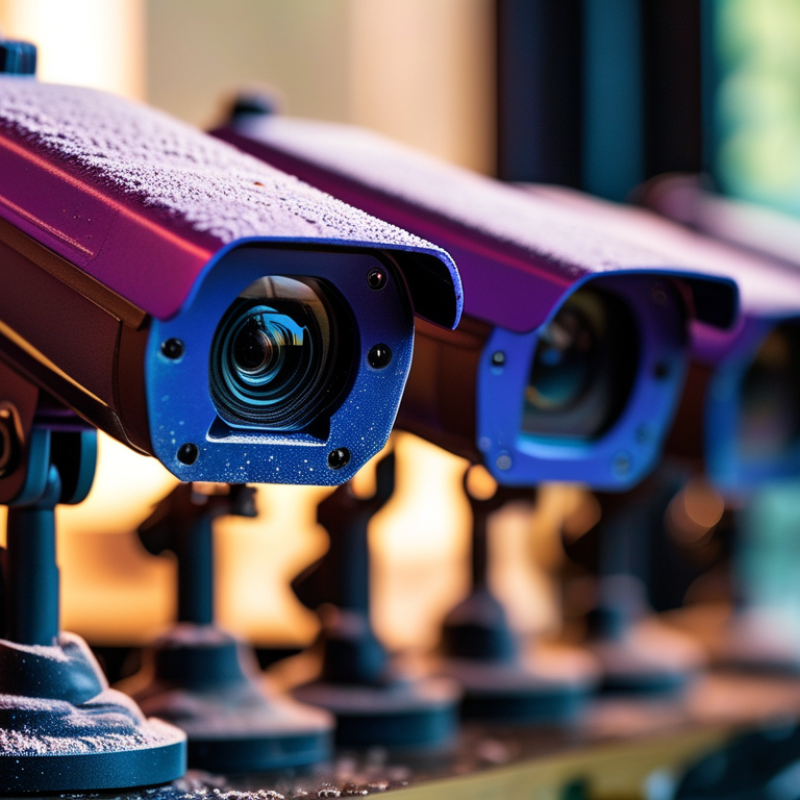
Why is My Security Camera Image Turning Purple?

Understanding the Common Causes of Purple Images in Security Cameras

Security cameras play a crucial role in monitoring and protecting your property. However, you might notice your camera images turning purple. This usually indicates specific issues that need attention.

One common cause of purple images is poor lighting conditions. If there isn't enough light at night, the camera may struggle to capture accurate colors. Instead, it amplifies the light, creating a purple hue. Another possibility is a malfunctioning image sensor. This can lead to color distortion in your footage, which often results in a purple tint. Lastly, improper camera calibration can also produce unwanted colors in the images.

To fix these issues, check your camera's light settings. Consider adding additional lighting for better visibility. Regular cleaning of the camera lens can help too; dirt and obstructions can affect image quality. If the problem persists, consult a professional for sensor analysis. Adjusting the settings or recalibrating the camera may resolve the color distortion.

The Role of Lighting Conditions in Affecting Camera Image Quality

Lighting conditions play a crucial role in the quality of security camera images. When light is insufficient or uneven, cameras may struggle to produce clear videos. This often results in distorted colors or a purple tint in images. Poor lighting can disrupt the camera’s ability to balance colors properly.

Understanding how different lighting scenarios can affect your camera’s performance is essential. For instance, bright sunlight can wash out details, while darkness might lead to grainy images. For indoor setups, using multiple light sources can help mitigate harsh shadows.

Adjusting your camera's settings may improve image quality under various lighting. Experiment with features like contrast and brightness. Regularly cleaning the lens also helps maintain clarity. Lastly, consider adding soft diffused lights to create an even environment. A thoughtful approach to lighting can significantly enhance your security footage.

How Camera Settings Impact Color Accuracy and Image Integrity

Poor color accuracy is a common issue in security cameras. When images turn purple, it's often due to camera settings that need adjustment. For example, incorrect white balance can distort colors. This is crucial, as 70% of security-related incidents rely on accurate visual identification. If the camera's settings are off, it may lead to misinterpretations of a situation.

Lighting conditions can also play a significant role in how colors are captured. Low light can cause cameras to amplify certain wavelengths, leading to a purple hue. A study found that over 60% of security footage analyzed showed color inaccuracies in dim environments. Adjusting exposure settings can help remedy this issue. However, many users overlook these settings, which can result in reliance on faulty information.

Regular calibration of security cameras enhances image integrity. Unfortunately, many users do not perform regular maintenance checks. This can lead to persistent color issues, undermining the camera’s effectiveness. Keeping up with best practices can prevent these problems, but awareness is the first step. Understanding how settings affect color accuracy is essential for any security system user.

Why is My Security Camera Image Turning Purple? - How Camera Settings Impact Color Accuracy and Image Integrity

Camera Model Color Accuracy (% Retained) Lighting Condition Purple Hue Issue (Yes/No) Potential Causes
Model A 85% Low Light Yes White Balance Misconfiguration
Model B 92% Daylight No N/A
Model C 78% Night Vision Yes Infrared Reflection Issues
Model D 88% Mixed Lighting Yes Color Filter Malfunction

Troubleshooting Steps for Fixing Purple Tint in Security Camera Footage

Purple tint in security camera footage can be frustrating. It usually indicates an underlying issue with the camera or the lighting conditions. Start by checking the settings. Make sure the white balance is adjusted correctly. Sometimes, automatic settings can misinterpret colors, causing a purple hue.

Inspect the camera lens for dirt or smudges. A dirty lens can lead to distortion in color capture. Use a soft cloth to clean the lens and remove any debris. Next, examine your lighting setup. Poor lighting can cause color shifts. If you’re using infrared or night vision modes, try switching to daylight settings if possible.

Consider the camera's positioning as well. If the device faces direct sunlight or reflective surfaces, it may distort colors. Also, look for firmware updates for your camera. Outdated software can cause performance issues. Look for these changes, and keep observing. Often, a simple adjustment can lead to a dramatic improvement in footage quality.

When to Seek Professional Help for Persistent Camera Color Issues

When security cameras display a purple image, it often points to hardware or connectivity issues. This phenomenon can stem from faulty wiring, lens problems, or even weather impacts. Persistent issues with color distortion can be frustrating. It's a clear sign that professional evaluation may be needed.

According to industry data, approximately 30% of surveillance camera problems are linked to connection failures or equipment damage. If you've addressed basic troubleshooting steps, seeking professional help becomes essential. Technicians can identify whether the camera requires recalibrating, sensor replacement, or other repairs. Ignoring prolonged color issues might worsen the problem, leading to more complex repairs or equipment replacement.

Consider that a staggering 25% of security camera malfunctions happen due to exposure to extreme elements. This emphasizes the importance of regular maintenance. Even minor irregularities could indicate larger underlying issues. It’s crucial to act before the problem escalates. If your camera consistently shows abnormal colors, don't hesitate to contact experts. Their experience can provide clarity and prevent future frustration.

Common Causes of Security Camera Color Distortion

FAQS

: Why are my security camera images turning purple?

: Purple images often indicate poor lighting or a malfunctioning sensor.

How can I improve the lighting for my cameras?

Adding extra lighting can enhance visibility, especially in dark areas.

What should I check if my cameras have a purple tint?

Start by inspecting the white balance settings and cleaning the lens.

Can a dirty lens affect color quality?

Yes, dirt or smudges on the lens can distort colors in your footage.

Is there a way to adjust my camera settings for better imagery?

Adjusting contrast and brightness can improve image quality under various lighting conditions.

What if changing settings doesn’t help?

If issues persist, consider consulting a professional for sensor analysis or recalibration.

Can weather conditions affect camera performance?

Absolutely, harsh weather or bright sunlight can lead to color distortions and washed-out images.

Should I be concerned about outdated firmware?

Yes, outdated software can cause various issues; keep it updated for optimal performance.

How does positioning impact image quality?

Positioning cameras facing direct sunlight or reflective surfaces can lead to distorted colors.

In what situations might my camera struggle to capture colors accurately?

Nighttime or insufficient lighting can hinder accurate color capture, leading to a purple hue.

Conclusion

If you've ever wondered, "Why is my security camera image turning purple?", it's essential to understand the potential causes behind this issue. Common factors include lighting conditions, where inadequate or overly harsh light can distort image quality, leading to color inaccuracies. Additionally, improper camera settings may negatively impact color accuracy, resulting in a purple hue in your footage.

To resolve this phenomenon, there are several troubleshooting steps you can take, such as adjusting your camera settings, improving lighting conditions, or cleaning the lens. If the problem persists despite these efforts, seeking professional help may be necessary to ensure your security camera operates effectively and provides clear, true-to-life images.

Ethan

Ethan

Ethan is a seasoned marketing professional with a deep expertise in our company's innovative product line. With a passion for sharing knowledge and insights, he takes the lead in regularly updating our corporate blog, where he explores industry trends, product features, and effective marketing......