Deploy high-performance, enterprise-grade optical endpoints designed to secure remote properties, optimize industrial workflows, and integrate with modern VMS architectures.
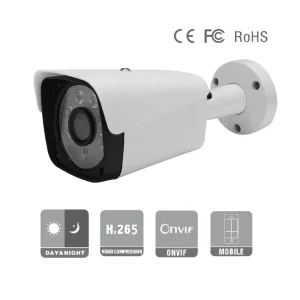
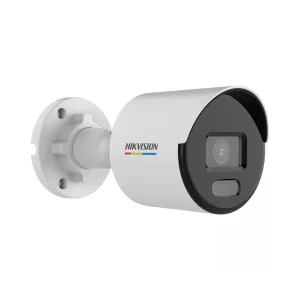
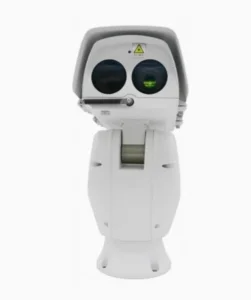
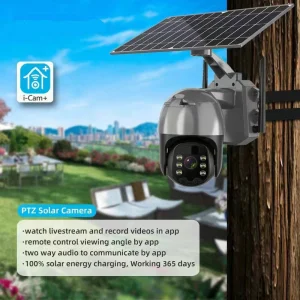
The global security ecosystem is undergoing a major paradigm shift. Standard analog recording is fading in favor of multi-sensor, AI-native edge devices. In commercial, civil, and industrial settings, modern surveillance endpoints function as intelligent data collection terminals. According to security market forecasts, the demand for enterprise-grade video solutions is growing rapidly, driven by the expansion of smart cities, critical infrastructure protection, transport digitization, and automated industrial plants.
Today's security officers and system integrators require more than simple passive recording. They look for systems with real-time semantic query features, high-efficiency bandwidth compression (such as H.265+ and H.266 algorithms), and strong cyber protection protocols at the hardware level. From extreme low-light environments requiring multi-spectral fusion or full-color night vision to expansive industrial complexes needing long-range active PTZ tracking, advanced systems must run reliably and securely 24/7/365.
Geopolitically and structurally, the security industry has also shifted toward open standards (such as ONVIF Profile S, G, T, and M compatibility) alongside clear supply chain origin accountability. Global procurers demand transparency in sensor packaging, firmware integrity, and operational lifetimes, creating a competitive arena where only vertically integrated manufacturers with robust engineering capabilities can thrive.
Real-time edge processing for humanoid detection, license plate identification, and crossing-line telemetry reduces false alarms by up to 95%.
Integrating starlight CMOS sensors, thermal cores, and long-range laser illuminators to ensure complete clarity in absolute darkness.
Firmware architecture designed with secure boot, TLS 1.3 encryption, and compliance protocols matching international cybersecurity standards.
The manufacturing cluster in Zhejiang, China, represents the global state of the art in optical development, chip mounting, and electronics assembly. The deep regional supply chain structure allows factories to source high-grade optical lenses, thermal sensors, processing units, and robust housings within a small geographic area. This level of vertical integration directly translates into rapid prototyping cycles, strict manufacturing control, and highly optimized production costs.
For global commercial buyers, sourcing directly from premier Chinese manufacturers offers a reliable way to balance quality and cost. Highly automated SMT (Surface Mount Technology) assembly lines, computerized precision calibration equipment, and unified quality assurance protocols mean that enterprise-grade cameras can be manufactured with high reliability and low failure rates, while maintaining an accessible wholesale price point.
Zhejiang AxizView Camera Co., Ltd. stands at the forefront of this industrial sector. With over 12 years of specialized development and production experience, we design, build, and deliver high-performance security solutions. We operate a modern 15,000 square meter factory housing 20 advanced production lines, yielding a monthly capacity of up to 50,000 units. Supported by our team of 400+ professionals—including 30 R&D engineers—we provide flexible OEM/ODM modifications, custom firmware development, and strict confidentiality protections for our global partners.
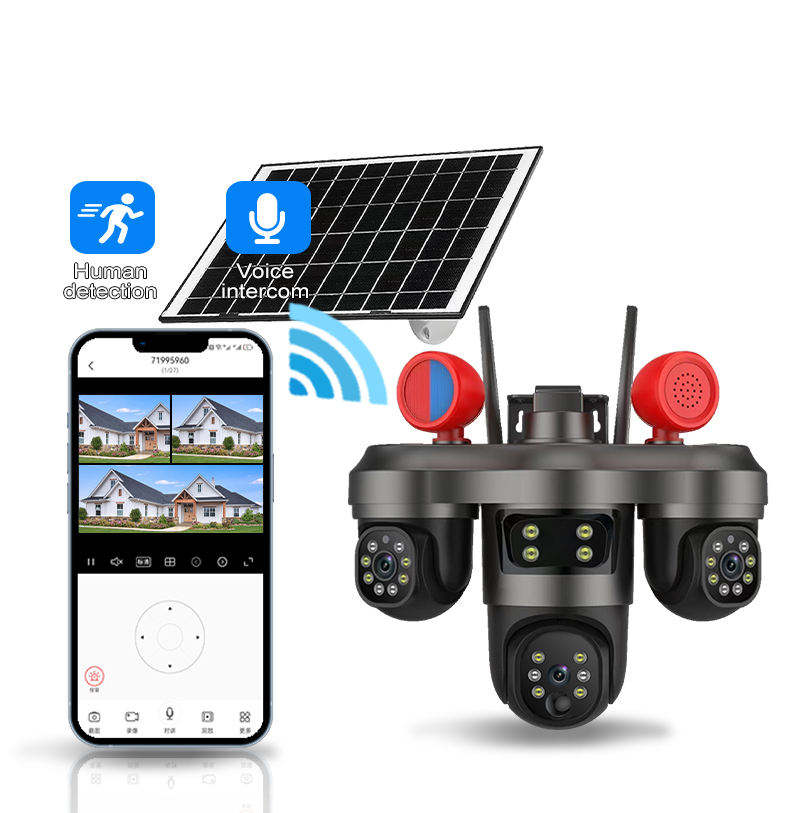
Every endpoint undergoes a rigorous 8-stage manufacturing process to guarantee performance under harsh operating conditions.
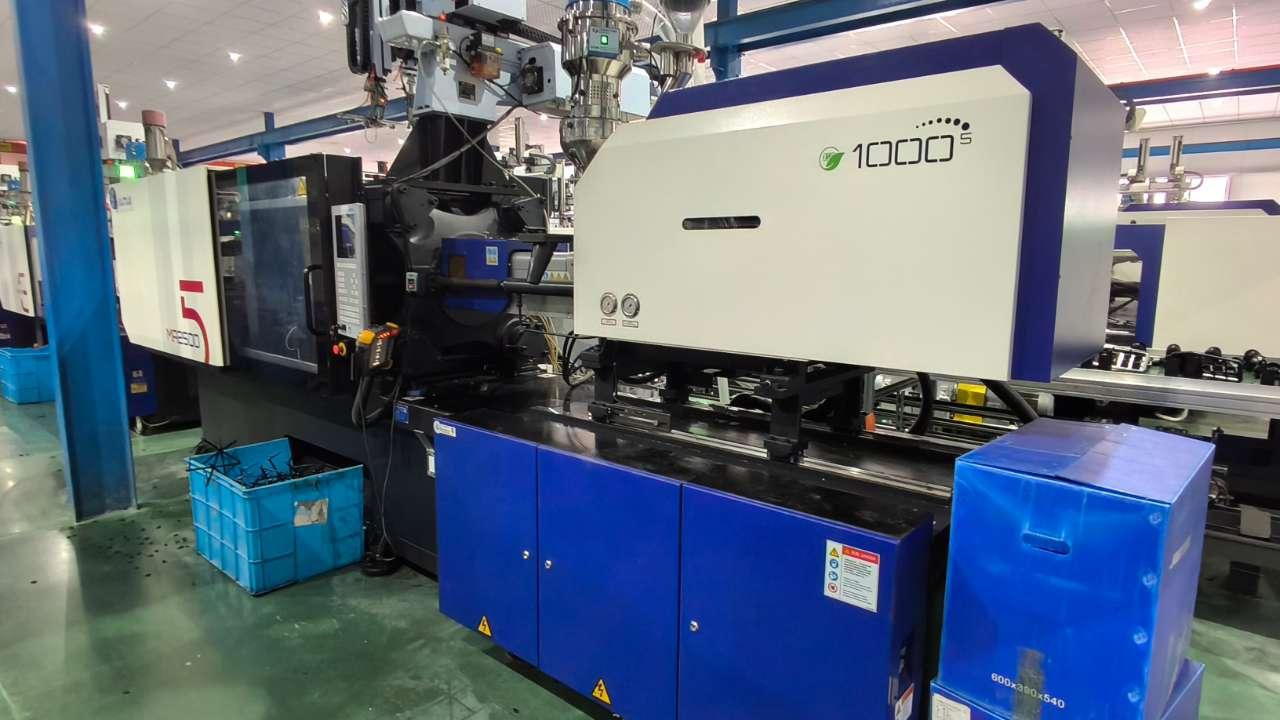
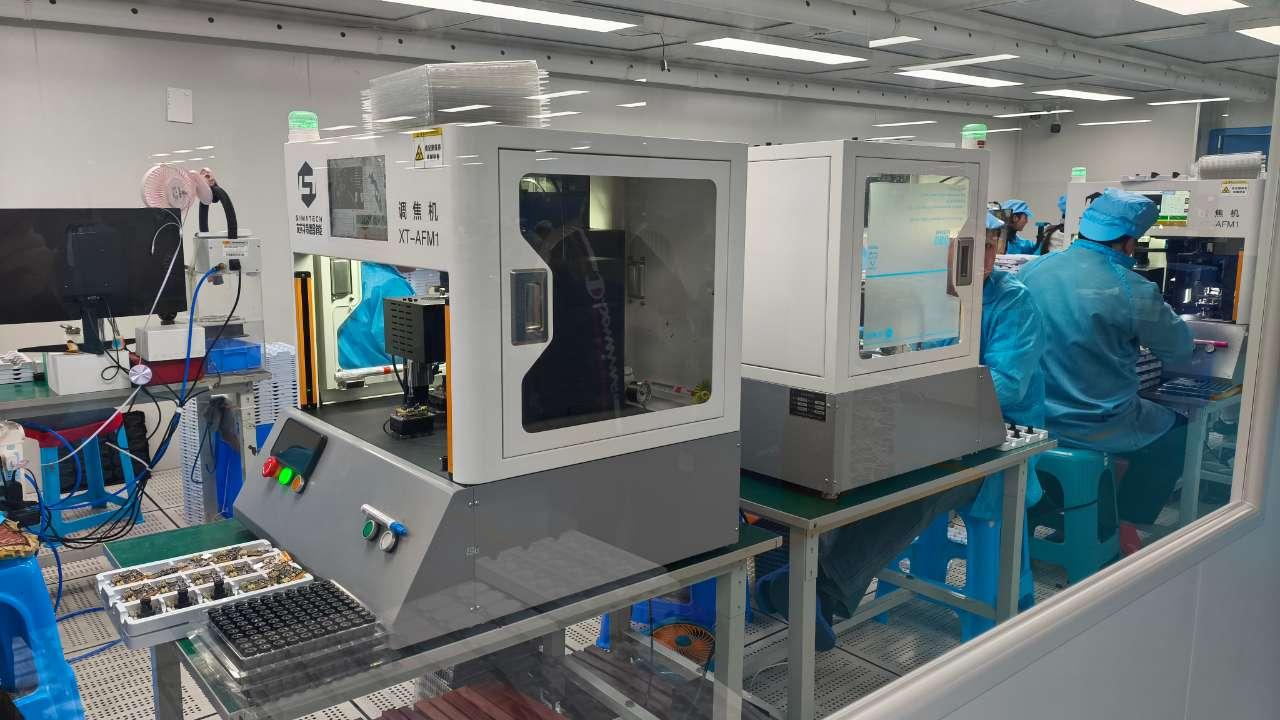
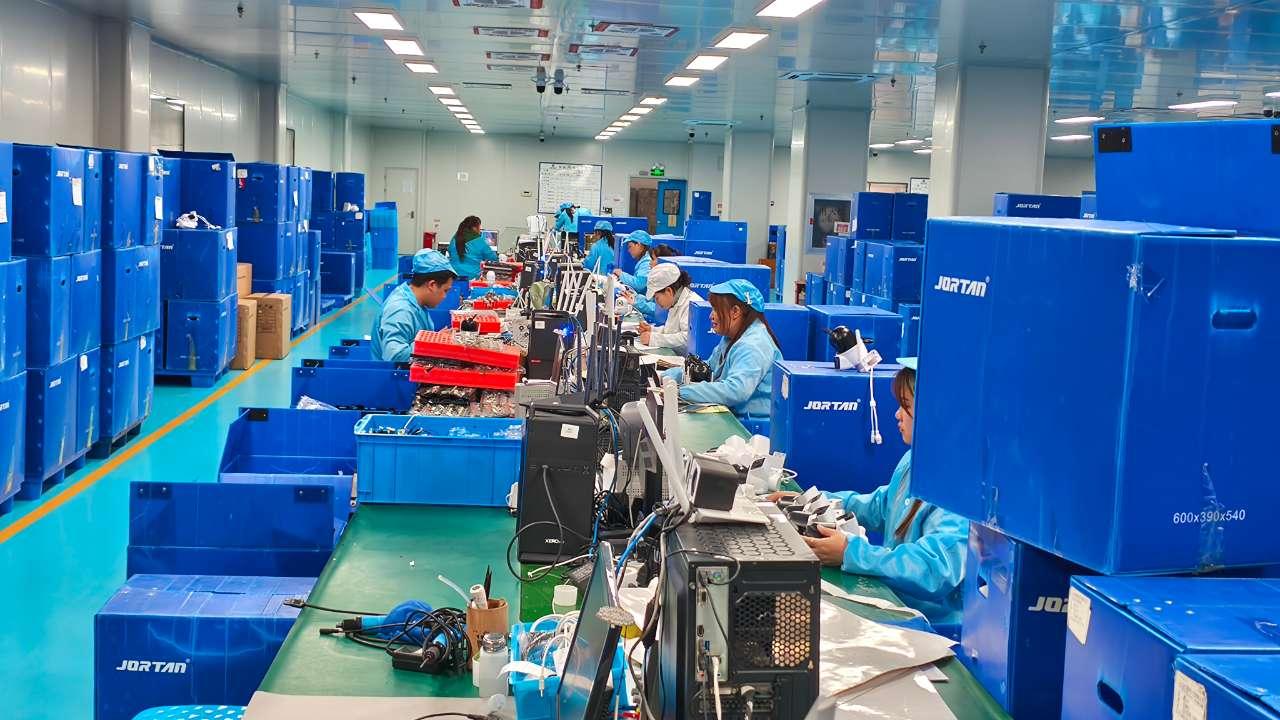
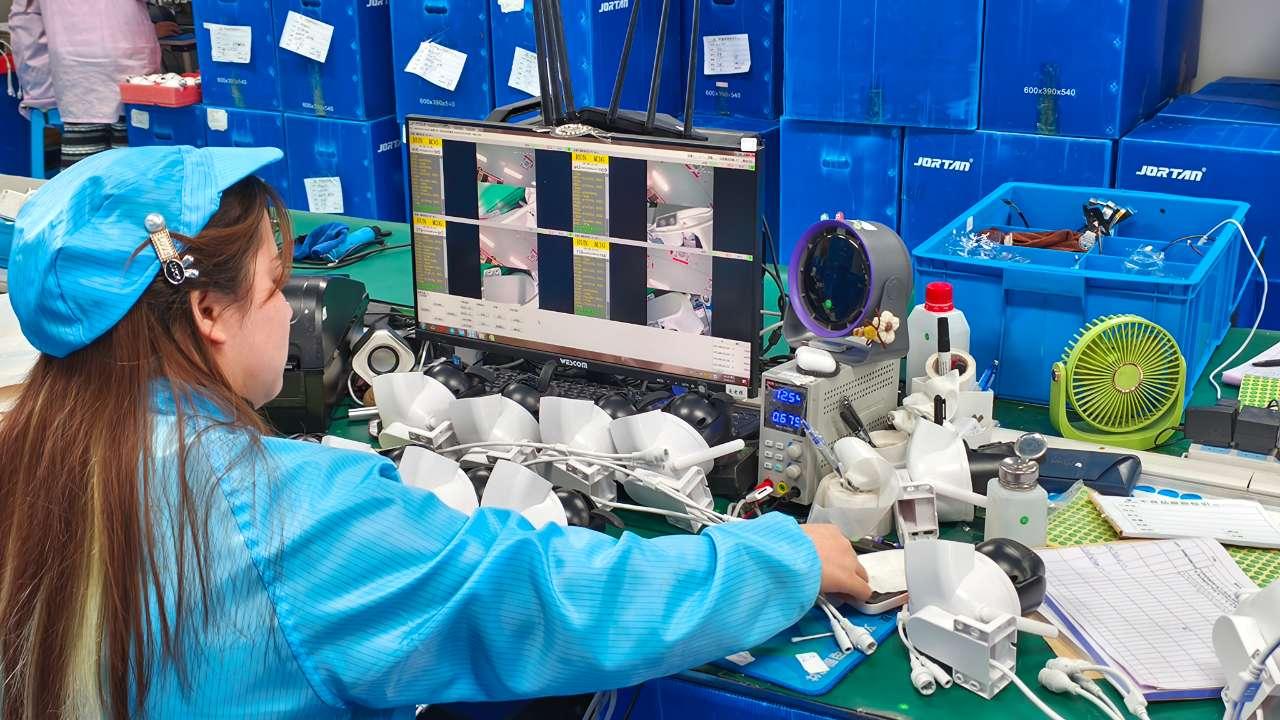
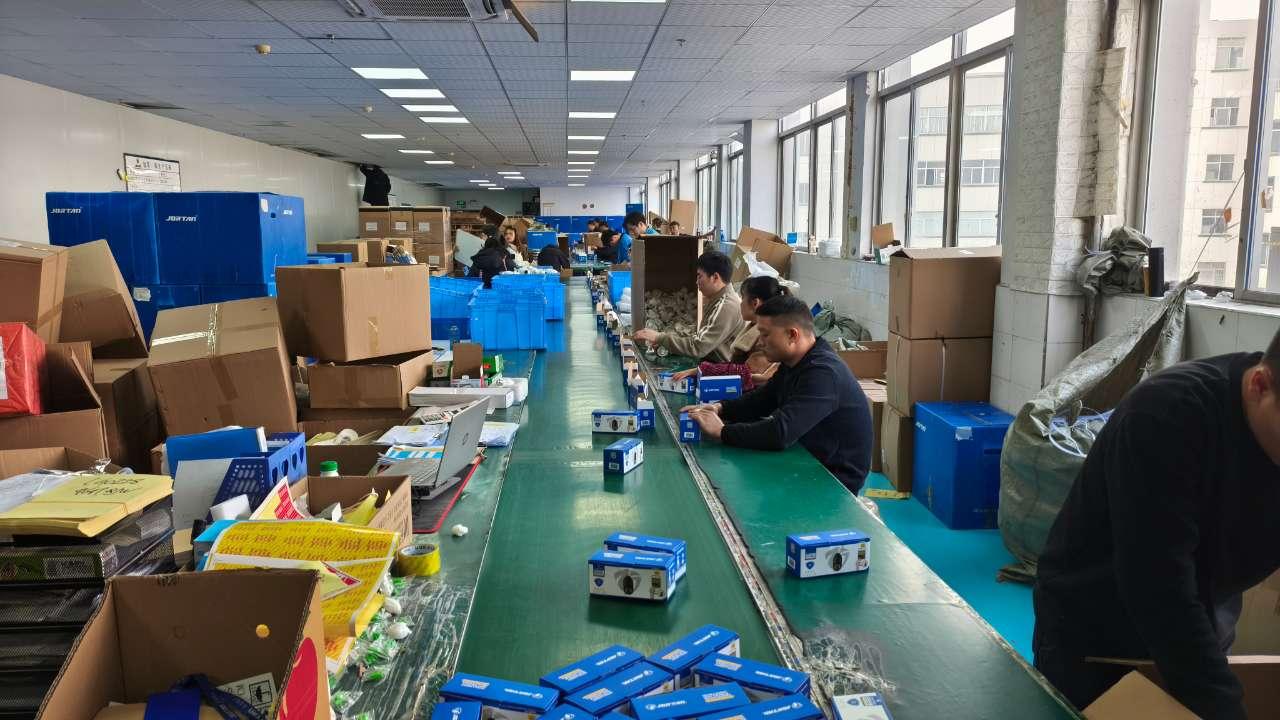
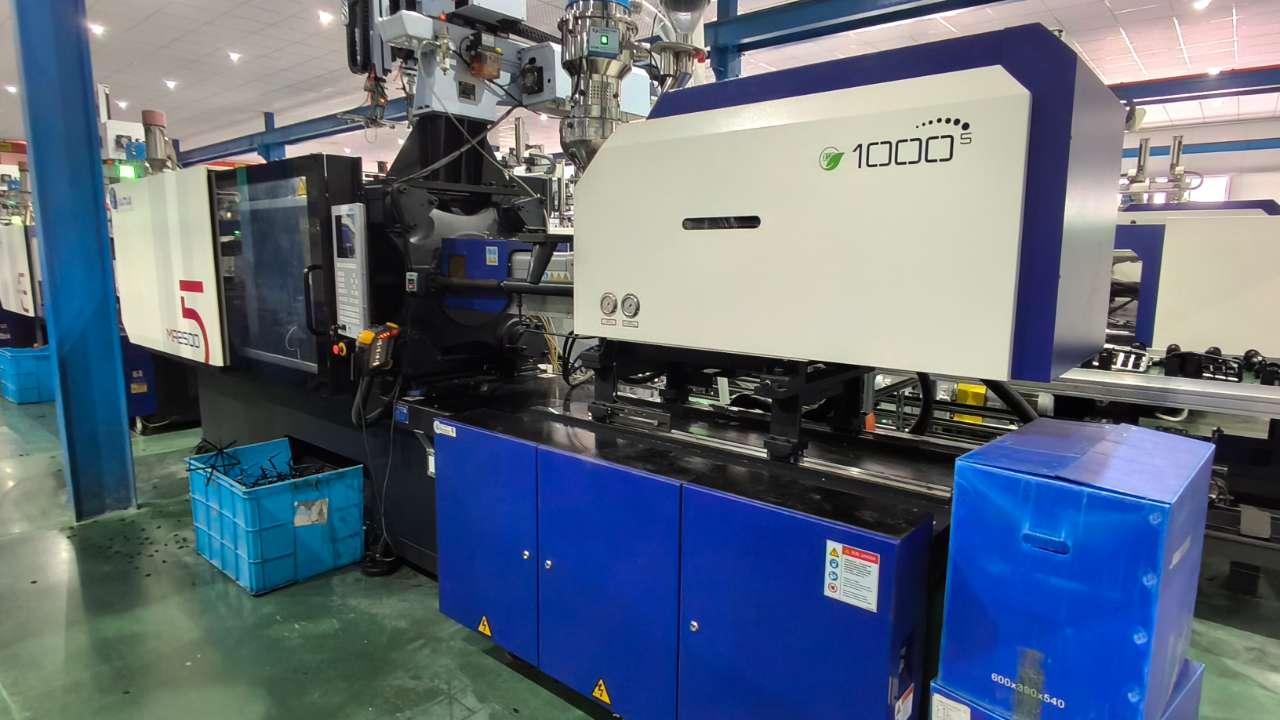
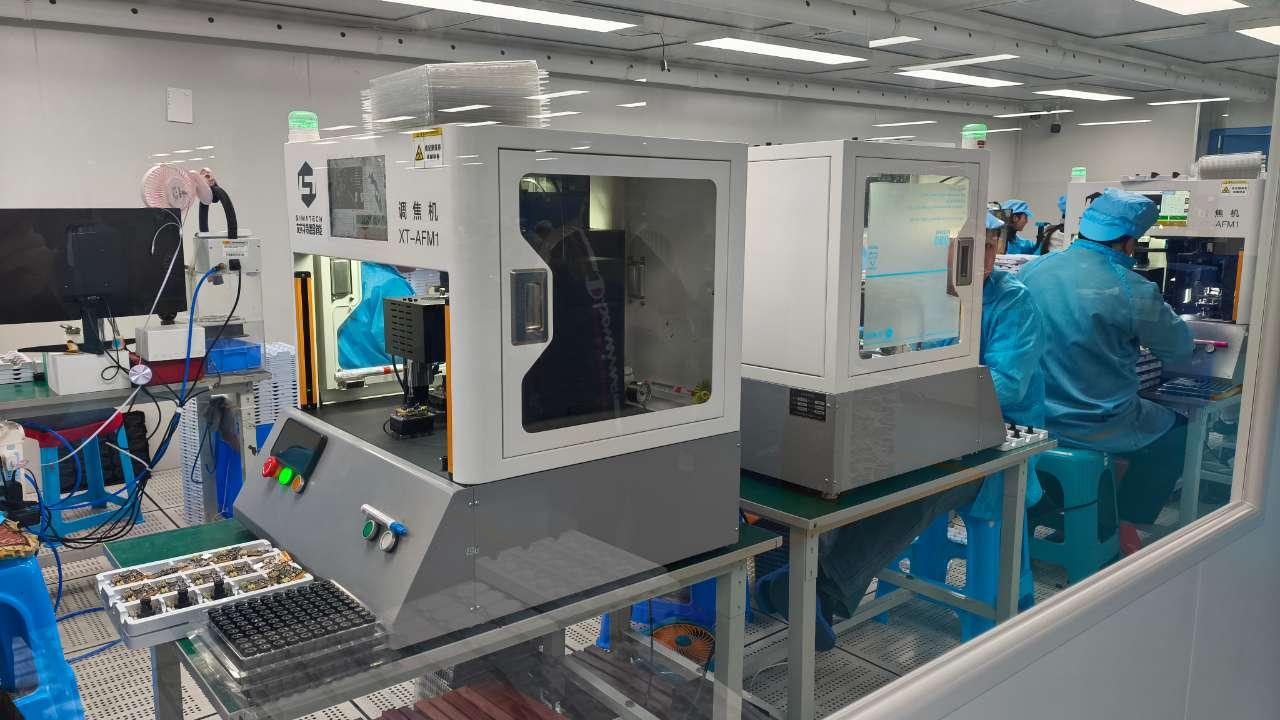
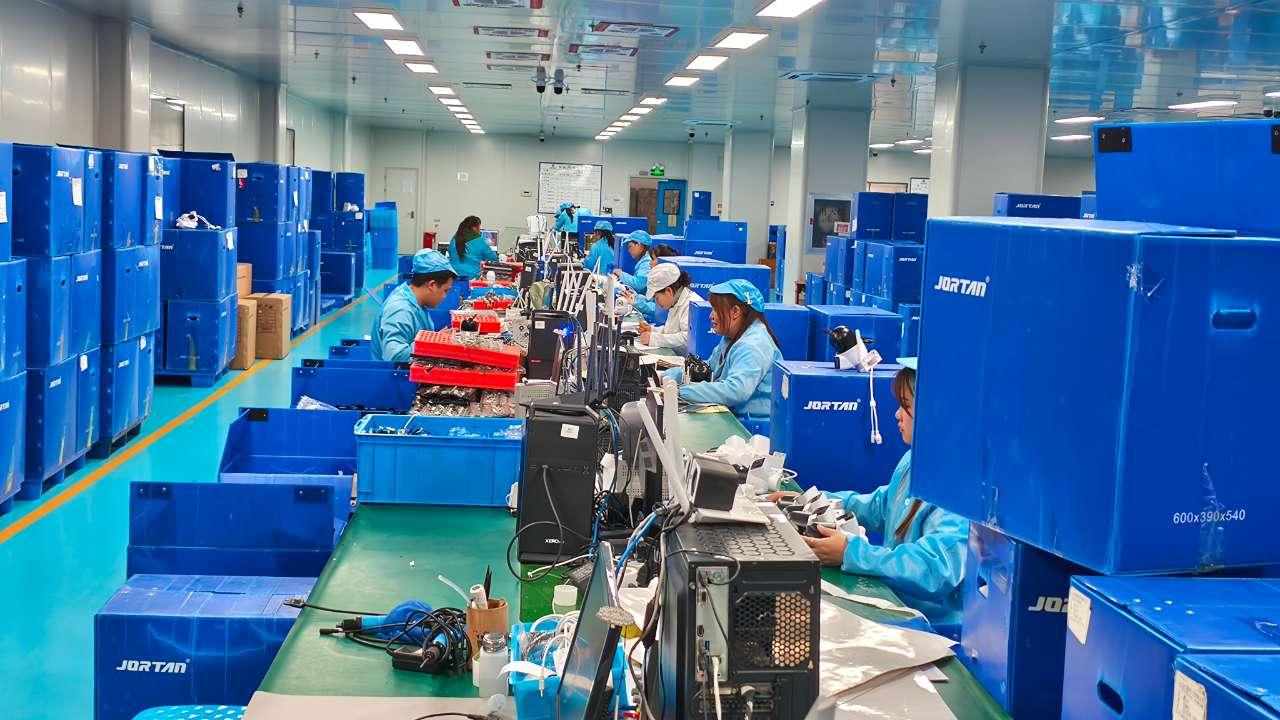
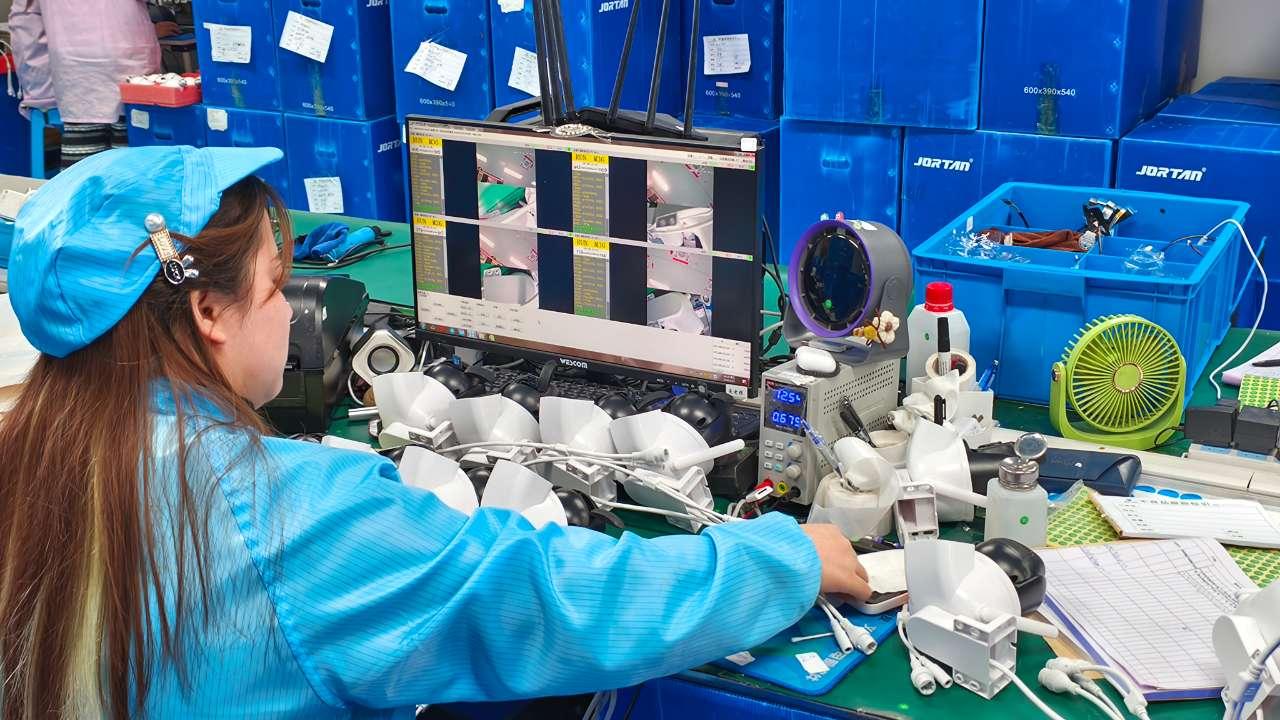
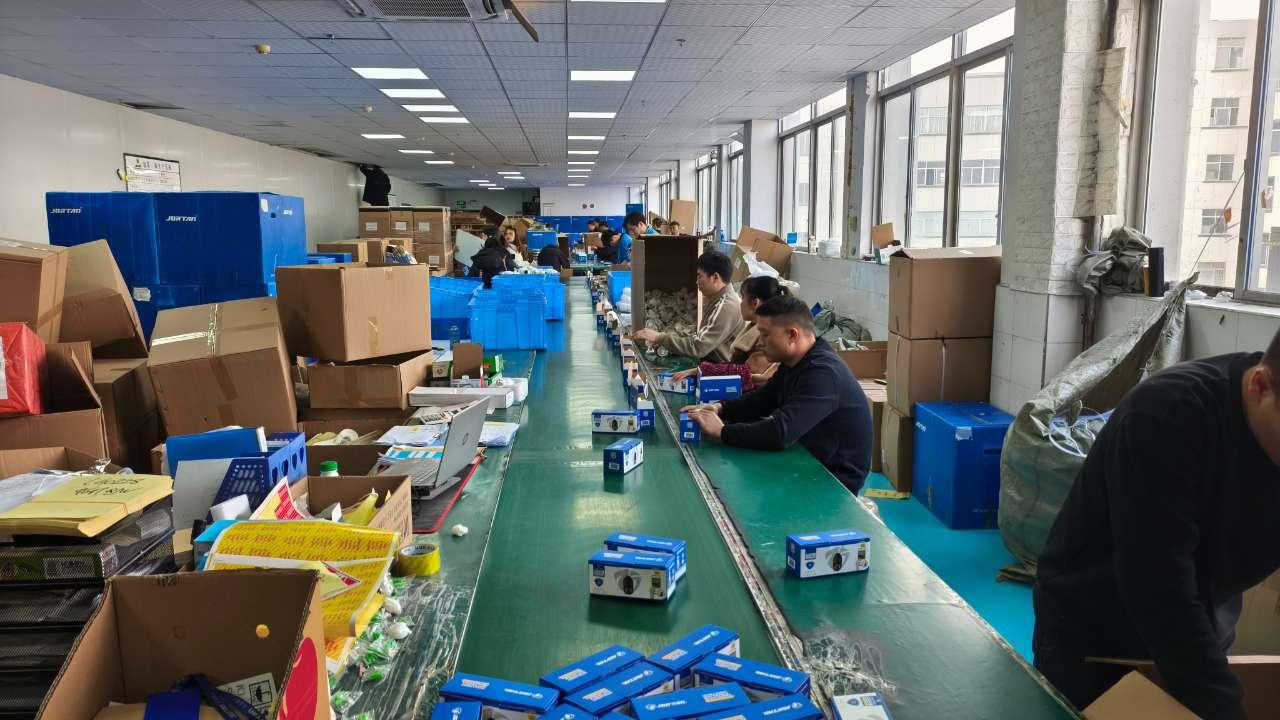
Our quality control starts during the component design phase. Under our multi-level QC regime, every raw sensor, circuit board, and lens system undergoes thorough validation:
Modern security solutions are deployed in highly diverse environments. Understanding these specific application scenarios is key to identifying the right equipment and configuration:
When selecting a manufacturing partner, global sourcing directors must review a range of technical criteria to ensure long-term reliability and compliance:
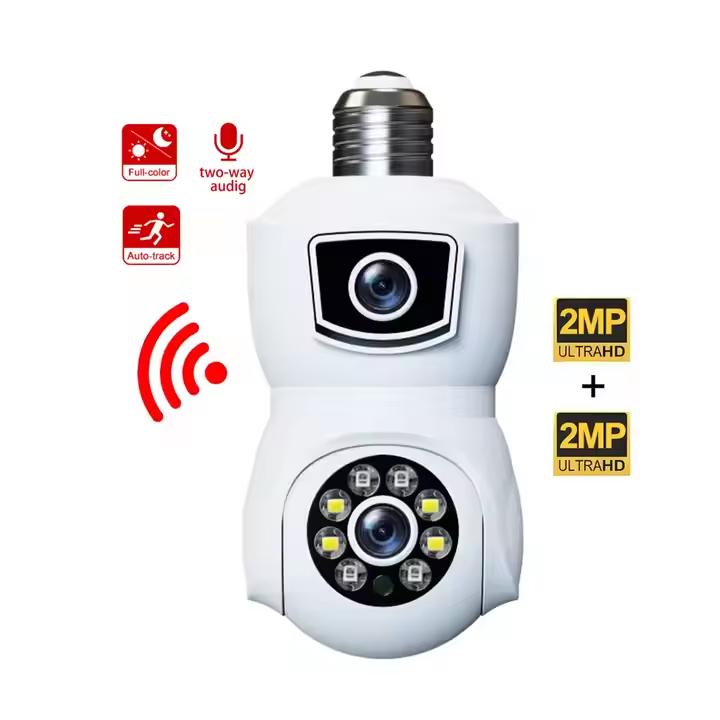
Looking ahead, the security industry is moving toward multi-spectral data fusion. Combining visible light with thermal imaging or radar detection in a single camera housing creates a more complete picture of the monitored environment. In addition, the integration of edge-based deep learning allows cameras to run complex AI models directly on the device. This reduces the need for expensive central processing servers and minimizes bandwidth usage by only transmitting relevant metadata events.
Detailed answers to common technical, design, and manufacturing questions for enterprise security projects.
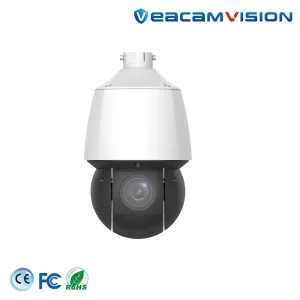
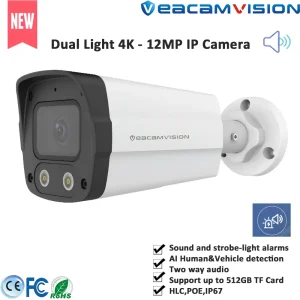
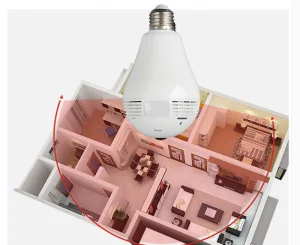
Select from our specialized optical units and facility hardware components designed for commercial and industrial settings.

 AxizView Camera